Jetski Safety 101: The Safety Briefing We Give Every Rider
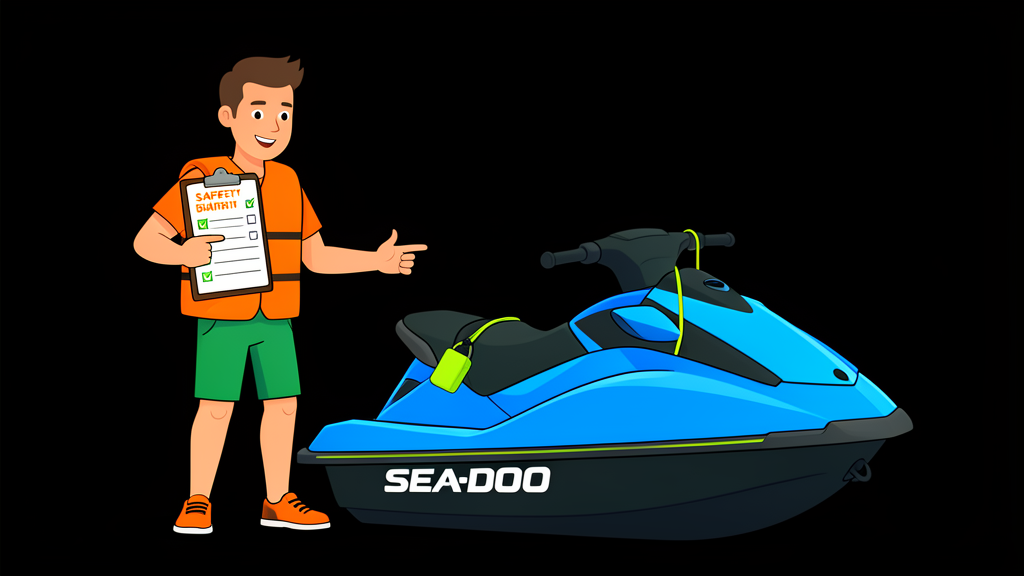
Before anyone touches the throttle on one of our 300 HP Sea-Doos, we run a full jetski safety briefing. No exceptions, first-timers, experienced riders, everyone. It's not a formality. It's the reason we've never had a serious incident, and it's the reason our riders come back season after season feeling confident on the water.
Here's exactly what we cover in every safety briefing, so you know what to expect before you book your ride.
Why the briefing exists (it's the law, and common sense)
In Canada, anyone operating a rented personal watercraft (PWC) must complete a Rental Boat Safety Checklist with the rental company before heading out. Transport Canada requires this. It's not optional, and it's not something we invented. The checklist ensures you understand the safety equipment on board, how to operate the craft, and what to do in an emergency.
Think of it as your quick-start guide to not ending up in a bad situation. We've dialed ours in over hundreds of rentals to cover what actually matters on the water.
The gear check: what's on every ski
Every jetski in our fleet leaves with the required safety equipment per Transport Canada's Safe Boating Guide. Before you ride, we show you where everything is and how to use it:
- Life jacket (PFD) for every rider. It goes on before you sit on the ski. No exceptions. If you're not wearing it, you're not riding.
- Kill switch lanyard. This is the most important piece of gear on the ski. One end clips to your life jacket, the other to the handlebars. If you fall off, the lanyard pulls free and the engine cuts instantly. We show you how to attach it properly, and we check it's on before you launch.
- Sound-signalling device. A whistle, attached to the ski. If you're stranded or need attention, three short blasts.
- Watertight flashlight. Required equipment for low-visibility situations. We point out where it's stored.
Operation 101: throttle, steering, and stopping
This is where most first-timers perk up. We walk you through the controls on the ski before you ever leave the dock:
- Throttle. Right handlebar, squeeze to go. The harder you squeeze, the faster you go. Simple.
- Steering. Just like a bicycle, turn the bars left, go left. But here's the key thing we emphasize: a jetski has no brakes. You steer by turning the bars, and turning requires throttle. If you let off the gas entirely, you lose steering control. This is the #1 thing beginners get wrong, and we drill it in.
- Stopping. Release the throttle and let the ski coast. It takes distance, think of it like a boat, not a car. We'll show you the safe stopping distance at low speed before you open it up.
- Trim and mode. On our 300 HP machines, we start you in Eco mode. It limits top speed while you get a feel for the handling. When you're comfortable, we can switch you to Sport mode for the full experience.
The golden rule: No throttle, no steering. Always maintain some throttle when you need to turn. We'll demonstrate this on the water before you ride solo.
Riding zones and water rules
We don't just hand you a ski and say "have fun." Every briefing includes a clear explanation of where you can ride, where you can't, and what to watch for:
- Stay inside the designated riding zone. We point out the boundaries visually, usually natural landmarks. Ride outside the zone and we'll pull you back in.
- Keep 30 metres from other boats, swimmers, and docks at planing speed. Ontario's boating speed limits are strict near shore, 10 km/h within 30 metres of shore unless otherwise posted.
- Head-on situations. Pass port-to-port (left to left), just like on the road. If someone's coming at you, steer right.
- No wake zones. We point them out. Idle speed only.
What happens if you fall off
This is the question everyone's thinking but nobody asks. So we answer it upfront. If you fall off a jetski:
- The kill switch kills the engine immediately. The ski stops within a few metres.
- Reboard from the rear of the ski, never the side. Pull yourself up using the boarding handle, knees first, then swing onto the seat.
- Reattach the lanyard, restart, and you're off again.
It happens more often than you'd think, especially for first-timers pushing into turns. It's not scary, it's part of the experience. Our skis are designed to be reboarded easily from the water.
The bottom line
Our safety briefing takes about 10 minutes. In that time, you go from "I've never ridden a jetski" to "I know exactly what I'm doing." That's the standard we hold ourselves to, because 300 HP on the water demands respect, and we'd rather you enjoy the ride than worry about what you don't know.
Check out our gallery to see what a day on the water looks like, or head straight to booking.